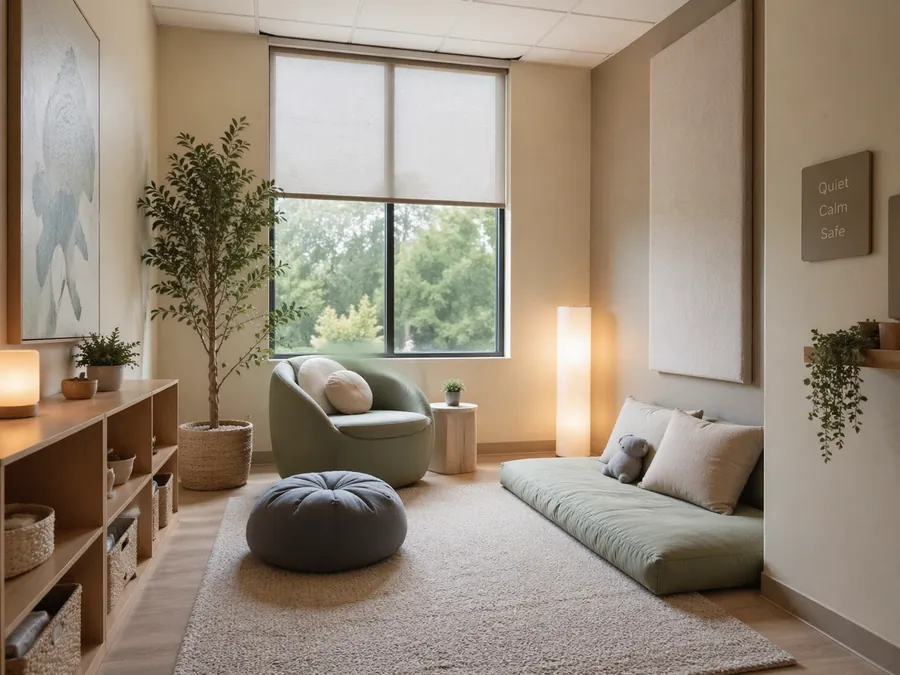
01
Diagnose the real sound path
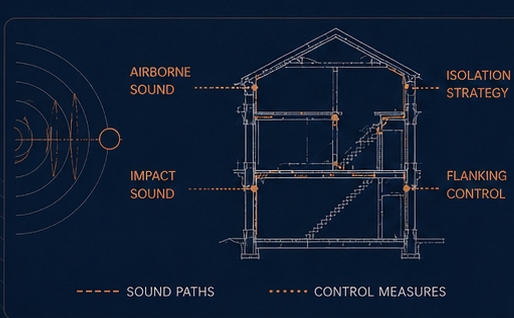
Find where sound enters, leaves or moves through the building.
Soundproofing solutions Australia
We provide independent acoustic advice for residential and commercial projects across Australia, including homes, apartments, offices, restaurants, renovations and new developments. We identify the real sound paths, develop the right acoustic strategy and prepare practical details for architects, interior designers and builders.
Designed for people, shaped by research and built to last.
Find where sound enters, leaves or moves through the building.
Coordinate isolation, architecture, interiors and construction.
Give the project team practical details they can protect.
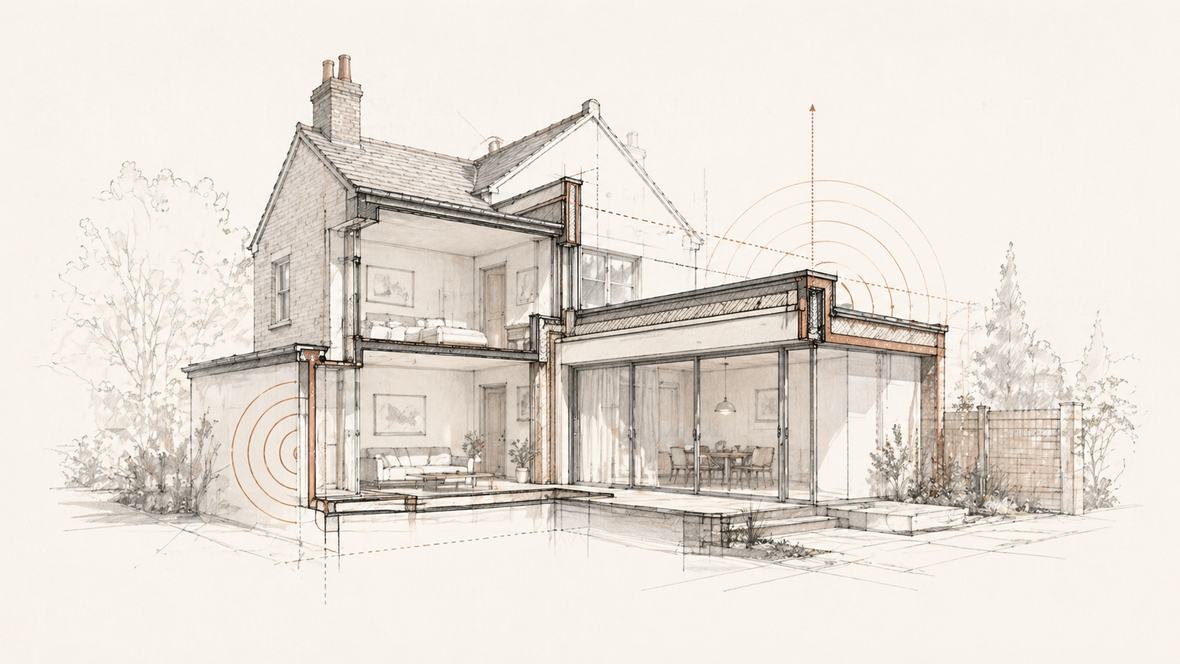
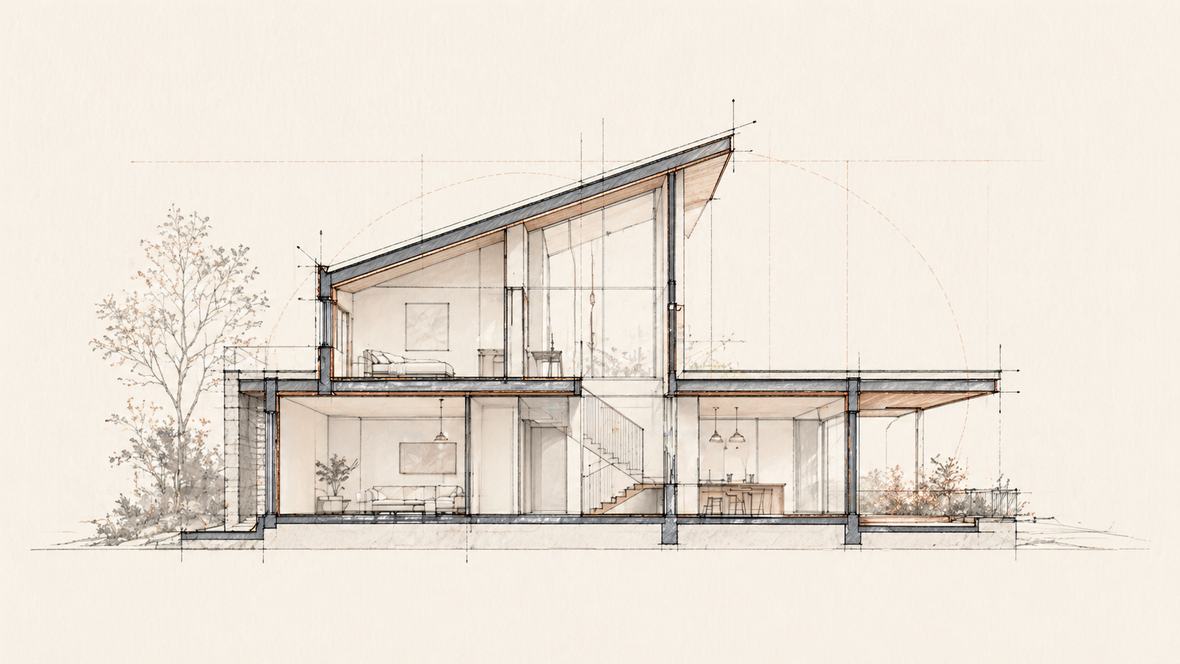
In renovations, additions and new homes, early architectural acoustic planning is shaped by decisions that are often made before the build is fixed: room adjacencies, glazing, doors, wall types, ceiling build-ups, services, penetrations and joinery. Once those decisions are fixed, acoustic improvement usually becomes more expensive, more intrusive and more compromised.
Fixing acoustics after construction is expensive, disruptive and limiting.
Make quieter rooms, private zones and noisy areas part of the design conversation while the project is still flexible.
Fixing acoustics after construction is expensive, disruptive and limiting.

Fixing acoustics after construction is expensive, disruptive and limiting.
Fixing acoustics after construction is expensive, disruptive and limiting.
Quiet rooms, shared walls, noisy spaces, stairs, circulation and specialist rooms are easier to resolve while the plan is still flexible.
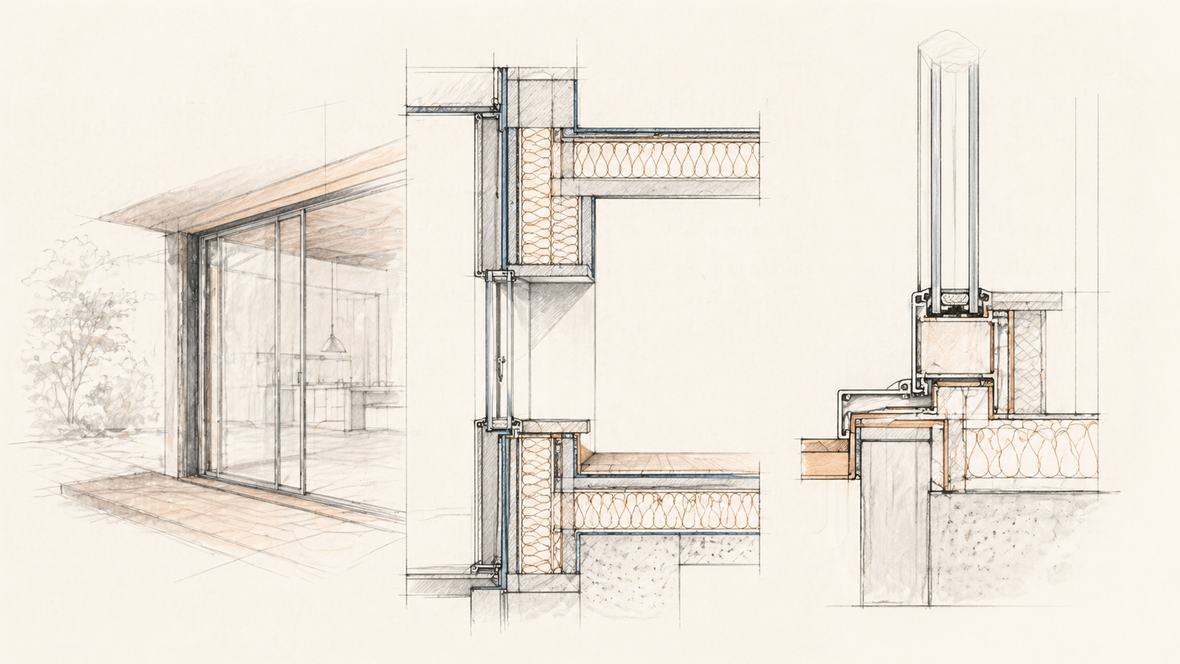
Acoustic outcomes often depend on envelope decisions, air leakage control, penetrations and construction build-ups that are already part of the wider renovation scope.
The earlier priorities are documented, the easier it is for your builder and trades to price, sequence and protect the acoustic intent without late surprises.
For many clients — especially in renovations, apartments, bedrooms, home theatres, studios and higher-expectation homes — the aim is not just avoiding a compliance issue. It is achieving a quieter, more private result that feels considered and worth the investment.
Clarify the problem
Soundproofing is often used as a general term, but clients usually need one of two different things: reduce noise travelling between spaces, or improve how a room sounds inside. Those outcomes require different decisions, so the first step is to define the problem clearly.
This is the part people usually mean by soundproofing. It deals with walls, floors, ceilings, glazing, doors, seals, structure, penetrations and hidden sound paths. It is as much about the system and the detailing as the products themselves.

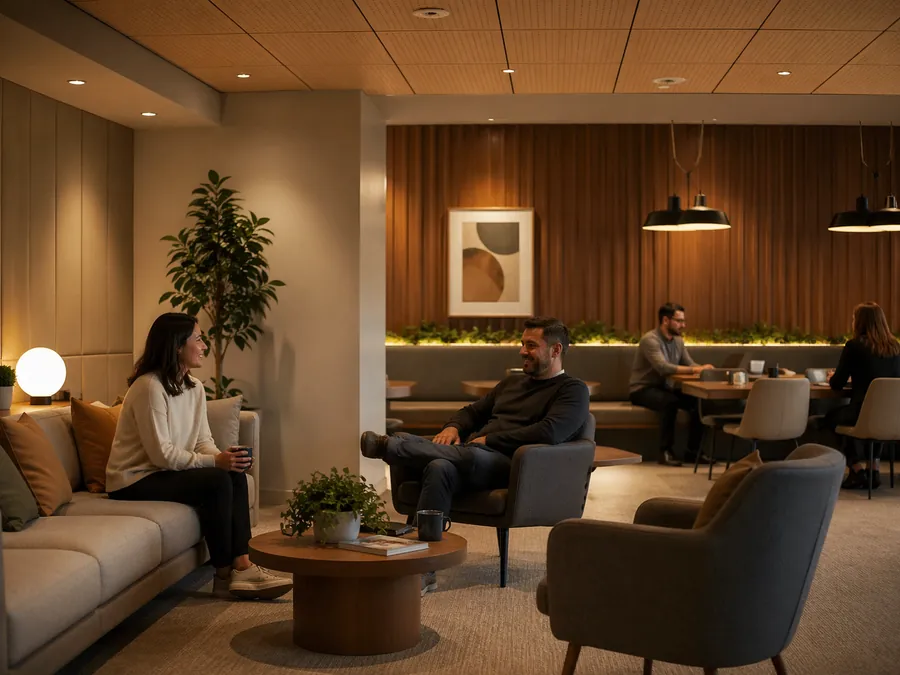
Treatment changes reverberation, clarity, comfort and listening conditions inside the space. It can be important — but it does not automatically solve neighbour noise, traffic noise or privacy problems between rooms.
Buildable acoustic design
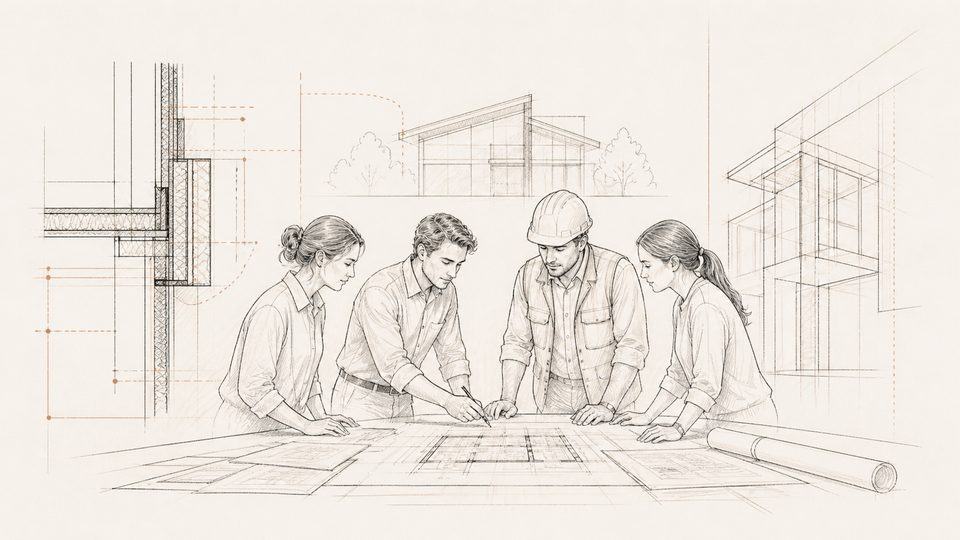
Nicholas Marriott combines acoustic consulting, design thinking and construction-aware detailing. The advice is not only about acoustic theory; it is shaped around what can be understood, priced, coordinated and built.
Identify likely noise sources, weak points and sound paths before the renovation or new build starts hardening into expensive assumptions.
Shape acoustic decisions so they fit the floor plan, the architecture, the joinery, the glazing strategy and the way the finished space is meant to feel and function.
Clarify what can realistically be built, what the trades need to know, and how to avoid the late substitutions and sequencing problems that quietly dilute acoustic outcomes.
What this looks like in practice
The purpose of the service is to identify the real sound path and the right level of intervention before the project becomes a product-shopping exercise.
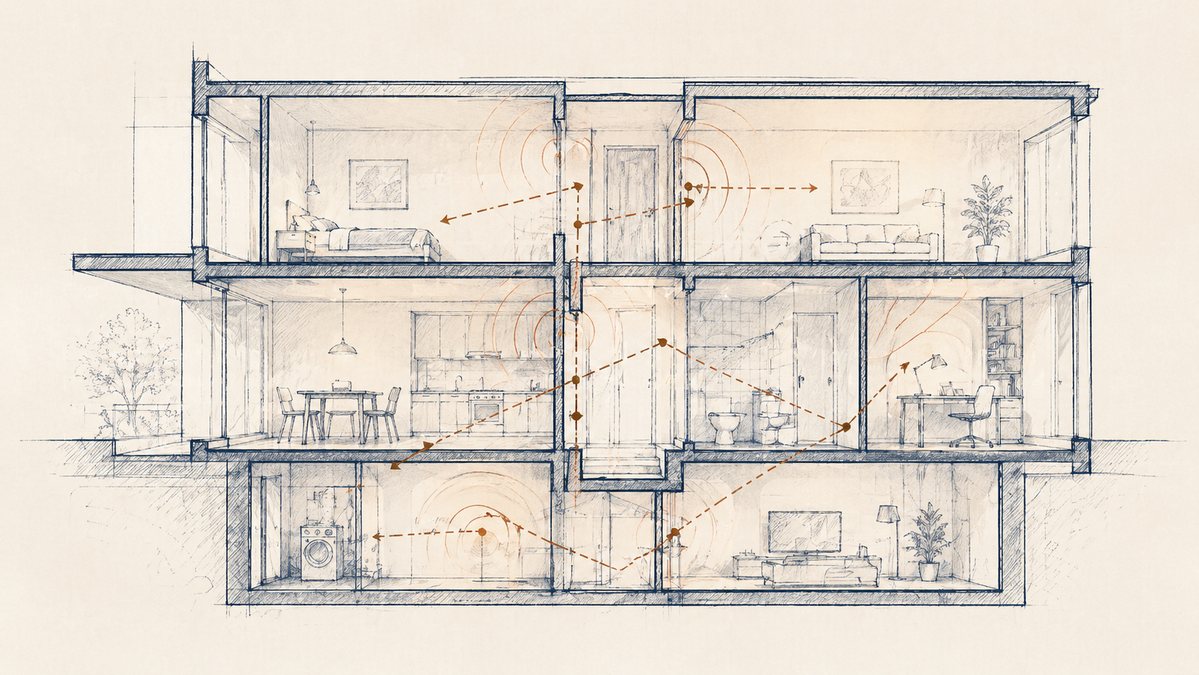
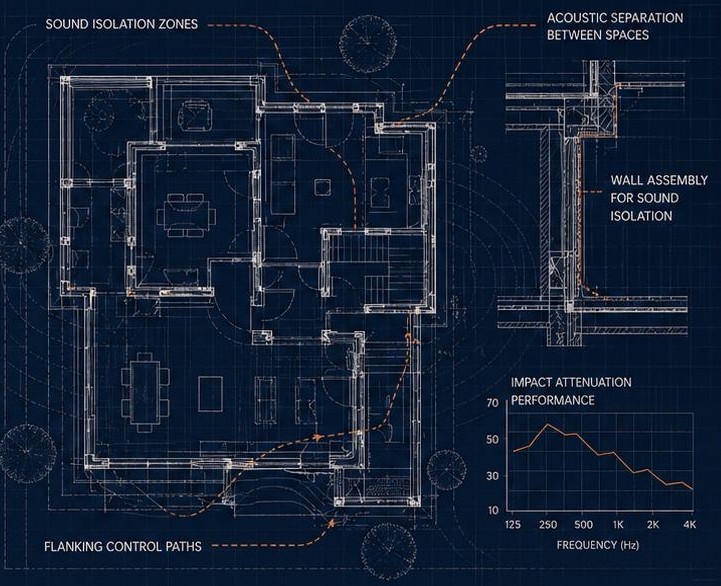
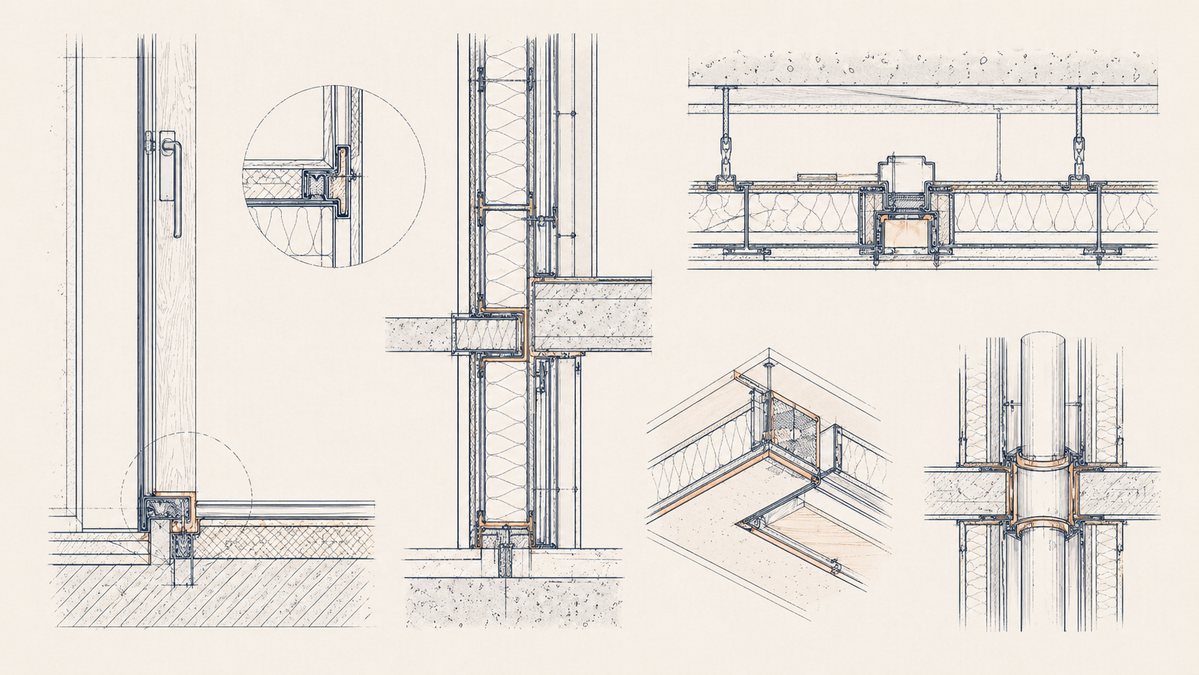
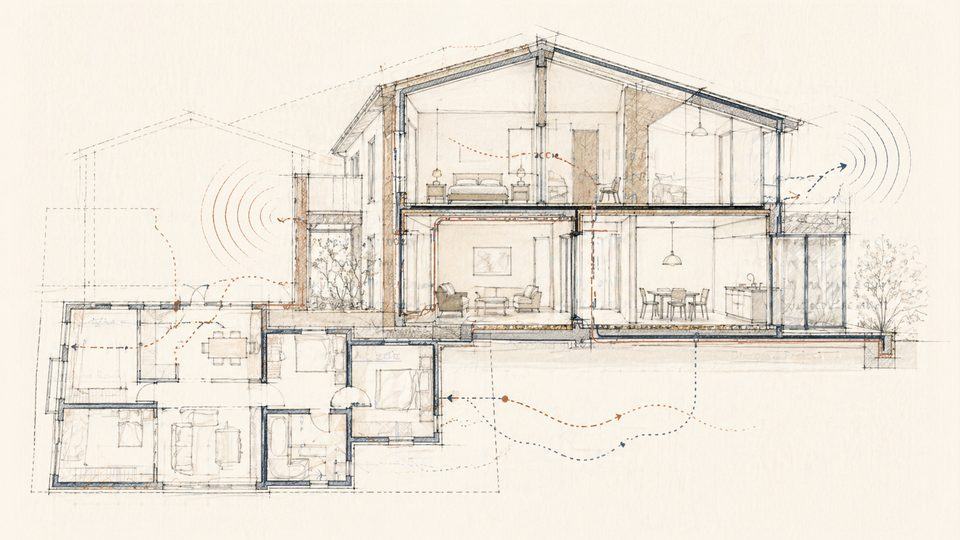
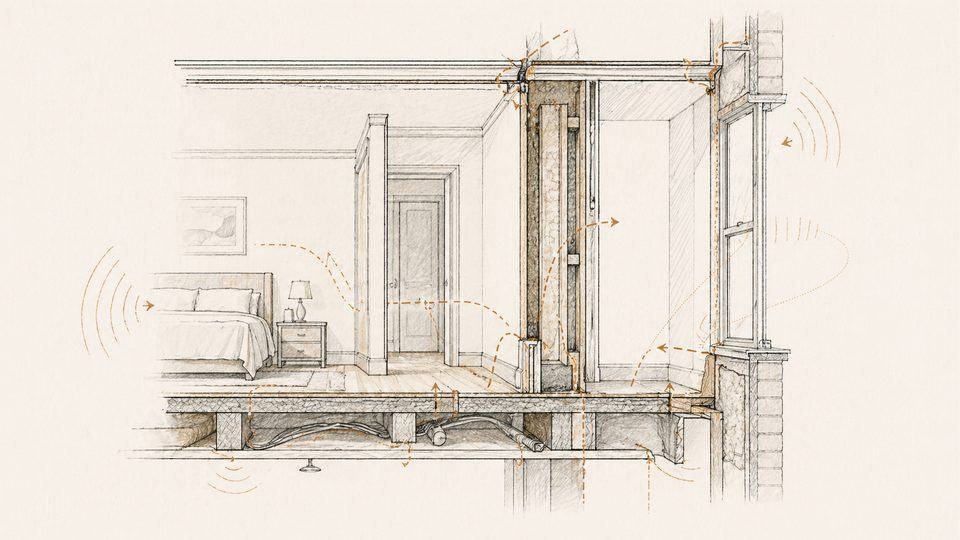
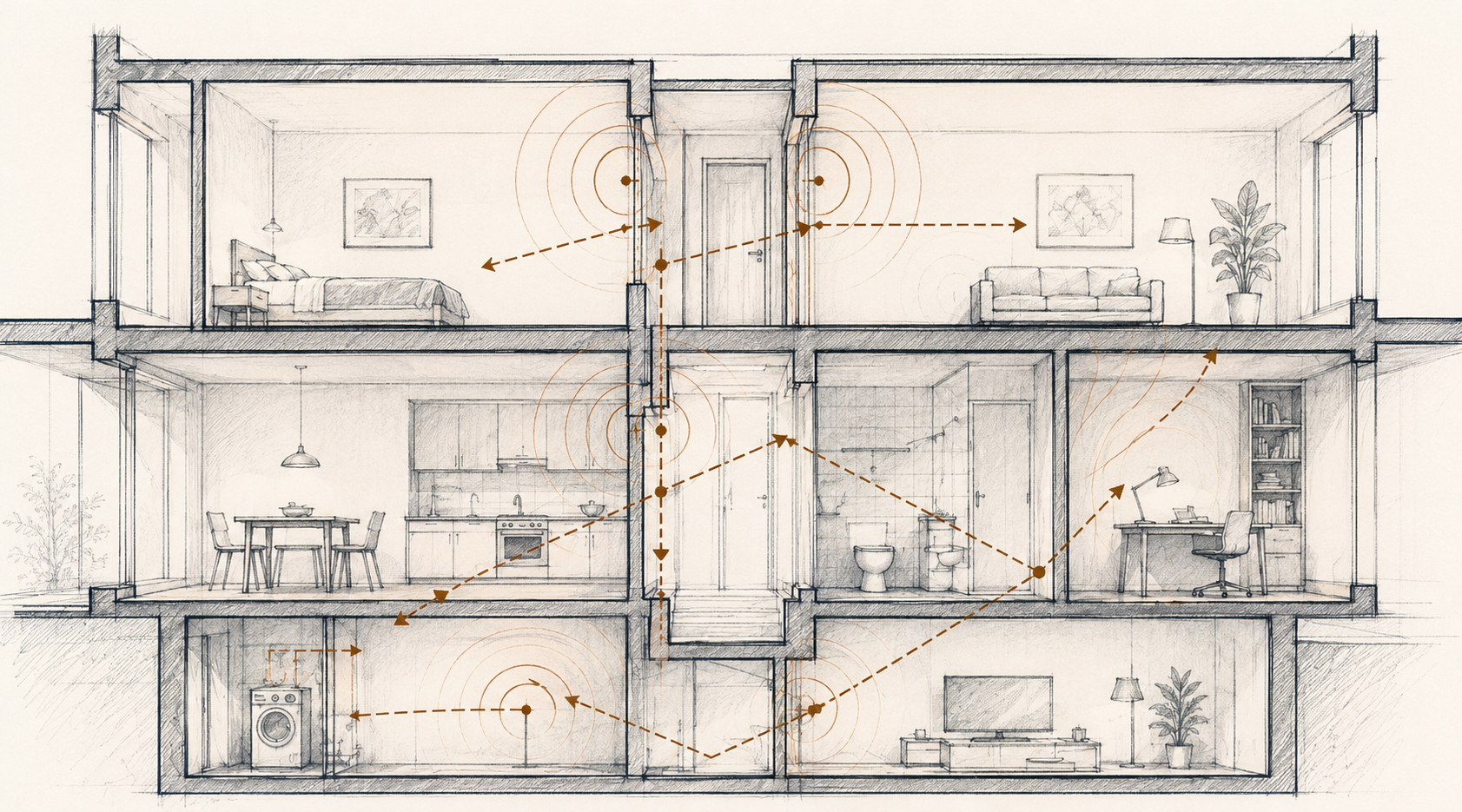
Work out whether the problem is really glazing, a shared wall, a door, a ceiling, structure-borne transfer, flanking paths in apartment and neighbour-noise problems, or something else entirely.
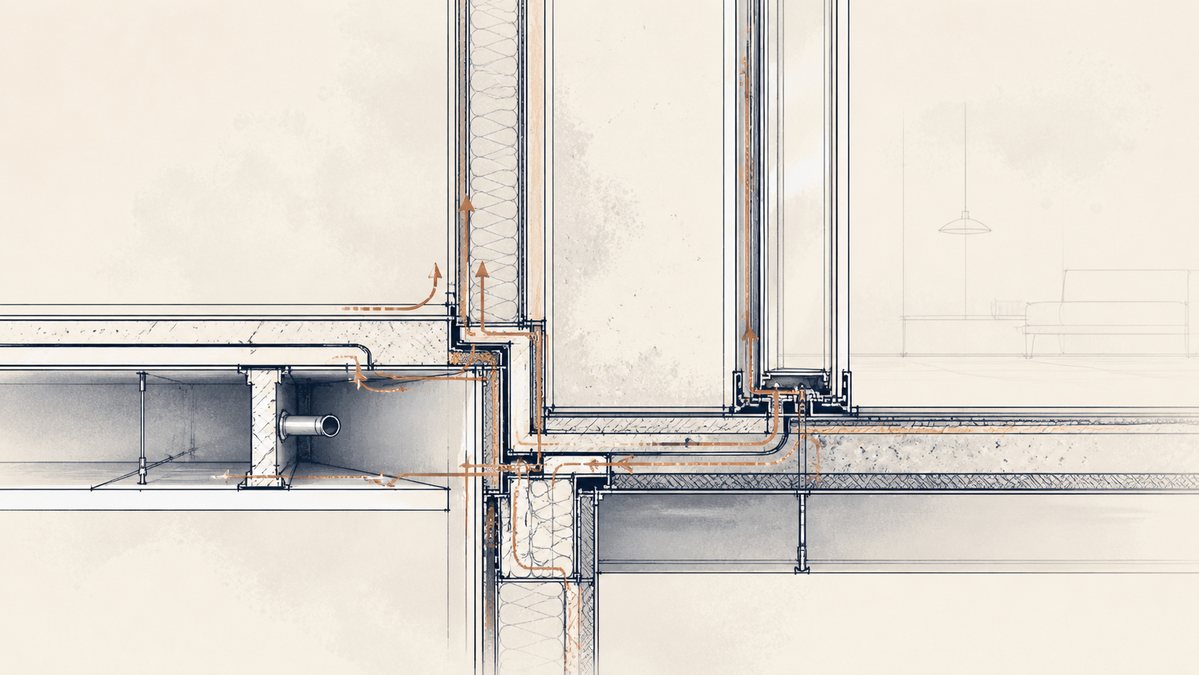
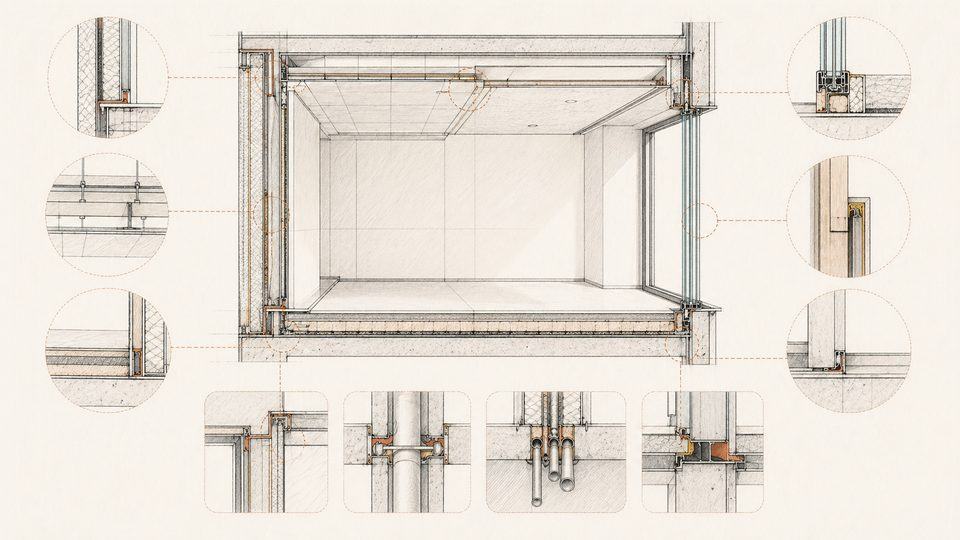
Understand why sound rarely behaves the way product marketing suggests, and why junctions, services and hidden paths often matter more than expected.
Work out whether the problem is really glazing, a shared wall, a door, a ceiling, structure-borne transfer, flanking paths in apartment and neighbour-noise problems, or something else entirely.
Common
soundproofing
problems
That is why the first step is diagnosis
— not choosing a product because
it sounds plausible.

Sound leaks through frames and seals.

Gaps at junctions let noise travel easily.

Penetrations open a direct path for sound.
Vibrations travel through structure and finishes.
Poor coordination leads to gaps and poor outcomes.
Voices, TV, footsteps, impact noise, bass, and unclear sound paths in attached or strata-managed buildings where one-sided retrofit options matter.
Road noise, aircraft noise, household noise and bedroom acoustic design for sleep and privacy where glazing, doors, partitions and sealing decisions directly affect comfort and recovery.
Speech privacy between bedrooms, studies, work-from-home spaces, bathrooms and living areas in homes that were not planned with acoustic separation in mind.
Home theatre and media room acoustic design where bass and playback energy need to be contained so the room performs without disturbing the rest of the house or adjoining properties.
Home studio and listening room acoustic design for loud instruments, monitoring, vibration and neighbour impact, where expectations must be technically realistic as well as architecturally workable.
Projects where windows, doors, ceilings, services and junctions are all being discussed — but no one has yet clarified which one actually deserves the budget.
Service offerings
The point is to meet clients at the right stage of the project — especially when renovation or new-build decisions are still flexible.

For clients planning a renovation, addition or new home who want acoustics and sound isolation considered while the design is still being shaped.
Ideal when layout, room adjacencies, glazing, services, doors, ceilings, façade decisions or specialist-room requirements are still in play.

The right entry point when the project is already built and the source or path is unclear, or when the risk of spending in the wrong place is high.
Ideal for neighbour noise, bedroom noise, privacy complaints, apartment issues and “what do we actually need to do?” enquiries.

For clients planning a renovation, addition or new home who want acoustics and sound isolation considered while the design is still being shaped.
Ideal when layout, room adjacencies, glazing, services, doors, ceilings, façade decisions or specialist-room requirements are still in play.
For clients planning a renovation, addition or new home who want acoustics and sound isolation considered while the design is still being shaped.
Ideal when layout, room adjacencies, glazing, services, doors, ceilings, façade decisions or specialist-room requirements are still in play.
Typical upgrade areas
Depending on the project, practical acoustic work may focus on one key weak point, but the strongest results usually come from understanding how walls, floors, glazing, doors, ceilings, services and flanking paths work together.
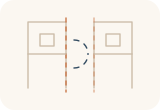
Shared partitions, privacy and neighbour-to-neighbour transmission.
Impact transfer, ceiling build-ups and structure-borne paths.
.jpeg)
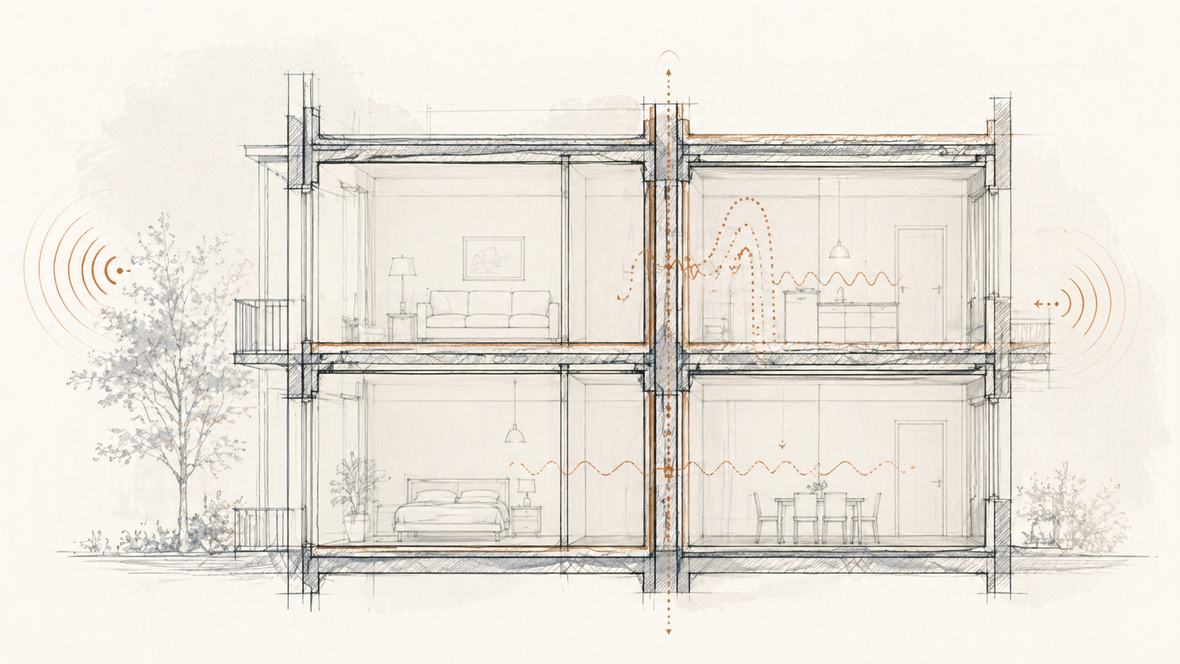
Sound can pass through obvious elements such as windows and walls, but it can also travel around them through ceilings, floors, junctions, services and construction gaps, which is why buildable acoustic design and site coordination matter.
Traffic, neighbours, glazing choices and weak façade points.
Sleep, calm, privacy and separation from active parts of the home.

Neighbour noise, strata constraints and shared building elements.

Playback containment, bass control and room-to-room disturbance.
Not every project needs every measure. The value is in identifying which details actually matter for the noise source, room use, budget and build sequence.
Who this is for
How the process works
The aim is to match the acoustic strategy to the project constraints, then keep that intent intact through detailing, coordination and construction.
Either bring acoustic advice in while the project is still forming, or diagnose the current issue carefully before committing to works.
Align acoustic priorities with layout, glazing, doors, ceilings, services, joinery and the rest of the renovation or new-build scope.
Translate acoustic intent into realistic details and decisions that builders and specialist trades can actually price, sequence and execute.
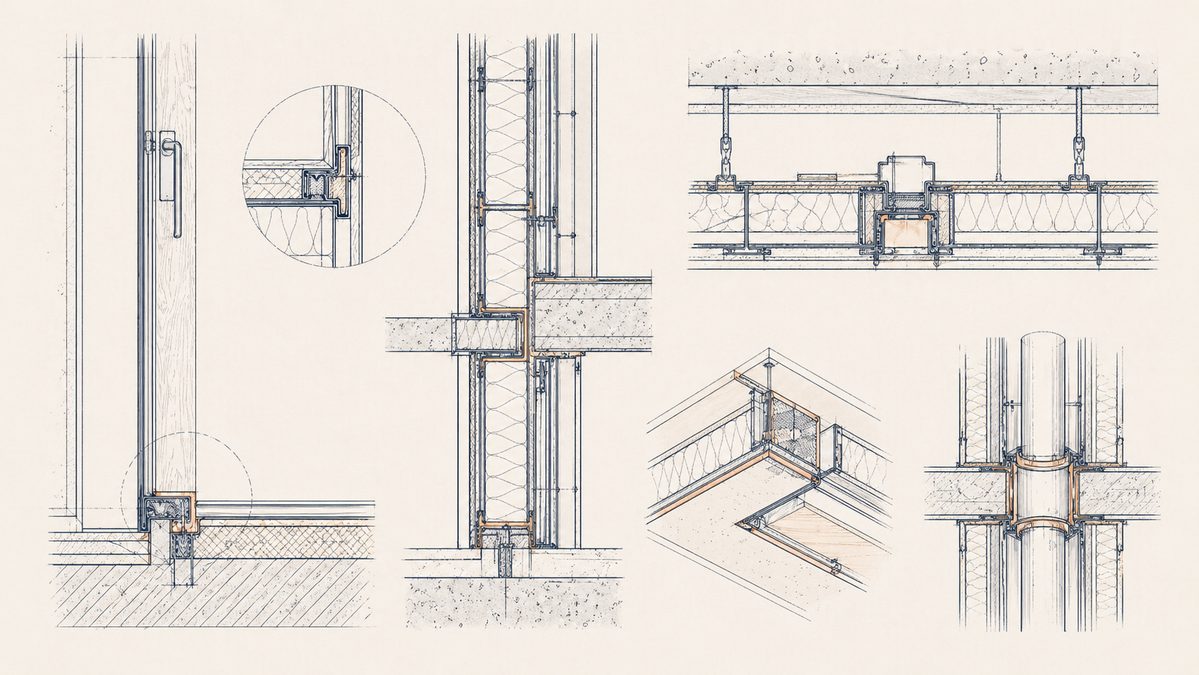
Where needed, stay involved so acoustic goals are not quietly diluted by substitutions, shortcuts or misunderstandings during construction.
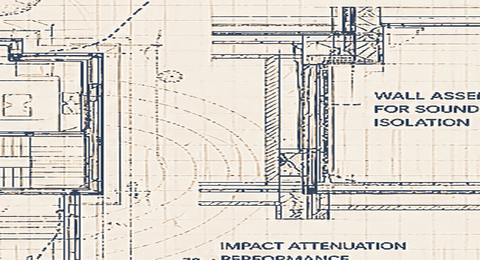
This is not a product-first soundproofing service and it is not limited to minimum-compliance thinking. The value is in understanding the sound path, setting realistic priorities, shaping buildable details and helping the acoustic intent survive construction through acoustic design and build coordination. Installation may be carried out by your builder or specialist trades; the role here is to make sure the project is heading in the right acoustic direction before money is spent in the wrong place.
Frequently asked questions
Insight Hub & Case Studies
Explore practical guidance from the Insight Hub, then compare it with case-study pathways that show how acoustic thinking can move from problem to project decision.
The best time to resolve sound isolation, privacy and acoustic comfort is while the layout, glazing, envelope, services and construction details are still flexible. Start with diagnosis, then turn the right acoustic intent into decisions your project team can build.